
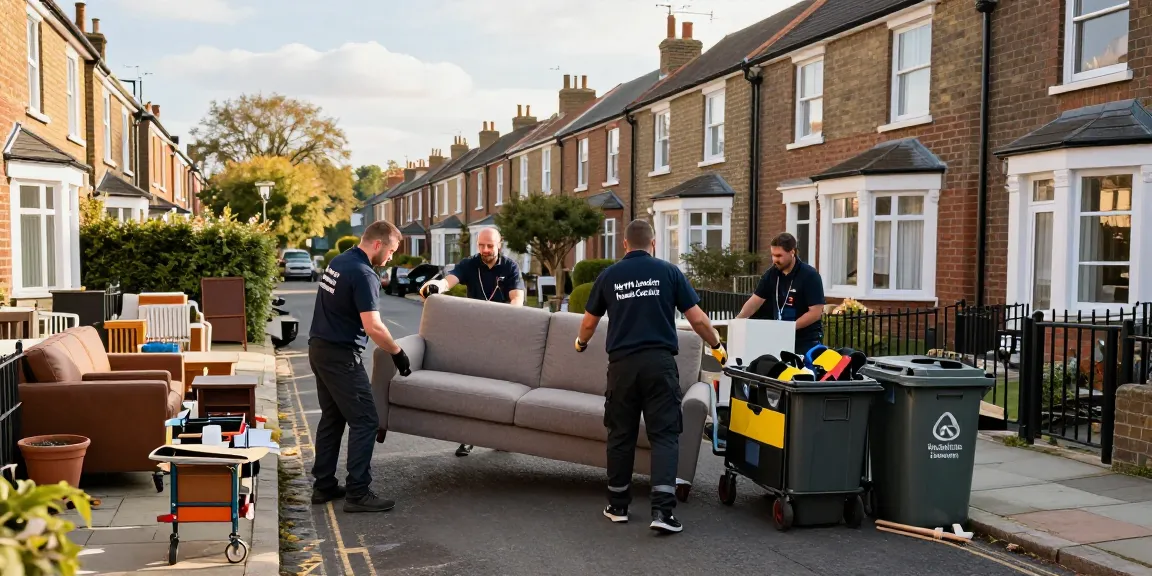
Understanding London House Clearance Services
When faced with the daunting task of clearing out a home or property in London, many individuals and businesses turn to professional london house clearance services. These specialists offer a streamlined approach to removing unwanted items, ensuring that the process is efficient, sustainable, and legally compliant. In this article, we will explore what house clearance entails, the importance of utilizing professional waste removal services, and the various types of clearance services available to cater to diverse needs.
What is London House Clearance?
London house clearance refers to the comprehensive process of removing unwanted items from a residential property. This can include everything from old furniture and appliances to bulky waste and general clutter. The service can be particularly beneficial when people are moving, decluttering, or managing the estate of a deceased relative. Professional clearance teams not only handle the physical labor involved in moving items but also ensure that disposal is conducted responsibly, often recycling or donating usable items to local charities.
Importance of Professional Waste Removal
Engaging professional clearance services is crucial for several reasons:
- Efficiency: Professionals have the experience and logistics in place to complete clearances quickly, minimizing disruption to your daily life.
- Legal Compliance: Professional services adhere to environmental regulations and ensure all waste is disposed of correctly, reducing the risk of fines.
- Spotting Value: Experts are skilled in identifying valuable items worthy of donation or resale, potentially benefiting the community.
- Health and Safety: Clearing large or hazardous items can pose risks; professionals are equipped to handle such situations safely.
Types of Clearance Services Available
The range of house clearance services offered by professionals can accommodate various needs:
- Full House Clearance: A complete service that removes all unwanted items from every room in the house.
- Partial Clearance: Ideal for those looking to clear only specific areas or items without a full service.
- Garden Clearance: Focusing on outdoor spaces, these services remove green waste, debris, and old garden furniture.
- Office Clearance: Businesses can benefit from office clearance services to dispose of old furniture, equipment, and paperwork.
- Specialized Clearances: For unique situations such as bereavement clearances or hoarding cases, specialized services can offer tailored solutions.
Featured Services for Home and Garden
Full House Clearance Explained
Full house clearance is one of the most requested services due to its comprehensive nature. Whether you are moving, downsizing, or simply decluttering, this service simplifies the process of removing unwanted items from your home. A typical clearance may include the removal of:
- Furniture (sofas, beds, tables, etc.)
- Appliances (fridges, washing machines, etc.)
- Personal belongings (clothes, books, toys, etc.)
- Garage and shed contents
Efficient Furniture and Appliance Disposal
Furniture and appliance disposal can be tricky, particularly when dealing with heavy or bulky items. Professional clearance services ensure the safe removal of such items, often employing specialized equipment to handle heavy lifting and transportation. The disposal process is done responsibly, prioritizing recycling and donating usable items whenever possible, ensuring a minimal environmental impact.
Garden Waste Clearance Best Practices
Garden waste clearance is essential for maintaining a tidy outdoor space. Whether you need to clear away old furniture, branches, soil, or grass clippings, professional services can handle it all. Best practices include:
- Segregating recyclable materials like plant debris from general waste.
- Proper disposal of hazardous materials such as chemicals or fertilizers.
- Utilizing green waste recycling facilities whenever possible.
Pricing Policies and Transparent Costs
How Pricing is Determined for Clearance Services
Understanding the pricing structure for house clearance services in London is crucial for budgeting. Factors influencing costs typically include:
- The volume and weight of items to be cleared.
- The type of items (e.g., general rubbish vs. hazardous waste).
- Distance to the disposal site.
- Urgency of the service (same-day services may incur additional charges).
Understanding Costs: What to Expect
Typically, prices for clearance services around London can range widely based on the aforementioned factors. On average, full house clearance can start from a few hundred pounds and escalate significantly depending on the complexity of the job. It’s always advisable to request a detailed quote beforehand.
Hidden Fees to Watch Out For
While many companies strive for transparency, some hidden fees can catch customers off guard. Common pitfalls include:
- Extra charges for multiple trips if the load exceeds vehicle capacity.
- Additional fees for complicated access points (e.g., flats without lifts).
- Costs related to disposing of specific items like electronics or hazardous waste, which may require special handling.
Why Choose Eco-Friendly Clearance Solutions?
Benefits of Recycling and Donation Practices
Adopting eco-friendly practices in waste disposal is increasingly crucial in today’s environmentally conscious society. Professional clearance companies often emphasize recycling and donating wherever possible, contributing positively to the community and minimizing landfill use. Benefits include:
- Conserving natural resources by reusing items.
- Supporting local charities through donations.
- Reducing environmental footprints, contributing to a more sustainable future.
Reducing Environmental Footprint in Waste Disposal
By choosing a service that prioritizes eco-friendly practices, individuals can significantly reduce their environmental impact. This includes:
- Participating in the circular economy by repurposing old items.
- Reducing landfill waste, which contributes to broader environmental issues.
- Complying with changing regulations surrounding waste management and disposal.
Government Regulations on Waste Disposal
Staying compliant with government regulations on waste disposal is paramount for both individuals and companies. In the UK, proper waste disposal regulations are enforced to ensure environmental safety and public health. Using licensed professionals helps ensure adherence to these laws, safeguarding clients from potential fines.
Fast and Reliable Clearance: What to Look For
Choosing Licensed Professionals for Your Clearance
When selecting a house clearance company, always choose licensed professionals. This not only guarantees that they are legally able to handle waste disposal but also ensures they meet industry standards for ethical practices. Look for credentials that demonstrate credibility and reliability.
Customer Service Expectations from Clearance Companies
Excellent customer service is a hallmark of a trustworthy clearance company. Expectations should include:
- Clear communication about services and pricing.
- Prompt responses to inquiries and flexible scheduling options.
- After-service follow-ups, ensuring customer satisfaction.
Future Trends in Home Waste Disposal for 2026
As we move towards 2026, emerging trends in home waste disposal include a greater emphasis on technology-driven solutions. Innovations such as AI-driven sorting systems and apps that help residents track their waste disposal can enhance efficiency and promote recycling. The future is leaning towards reducing waste at the source and encouraging sustainable living practices among consumers.
How to Prepare for Your House Clearance?
Preparation can streamline the clearance process significantly. Here’s how you can prepare:
- Sort your items into categories: keep, donate, recycle, and dispose.
- Inform your clearance service of any specific items that require special handling.
- Ensure easy access for the clearance team, particularly if there are heavy items involved.
What Items Can Be Cleared?
Most house clearance services can handle a variety of items, including:
- Old furniture and appliances.
- Household rubbish (general waste).
- Garden waste and debris.
- Personal items (clothing, toys, etc.).
- Commercial waste for business clearances.